 Canada
 U.S.A.
 International
Engineered for Harsh Climates
 100% Canadian Made
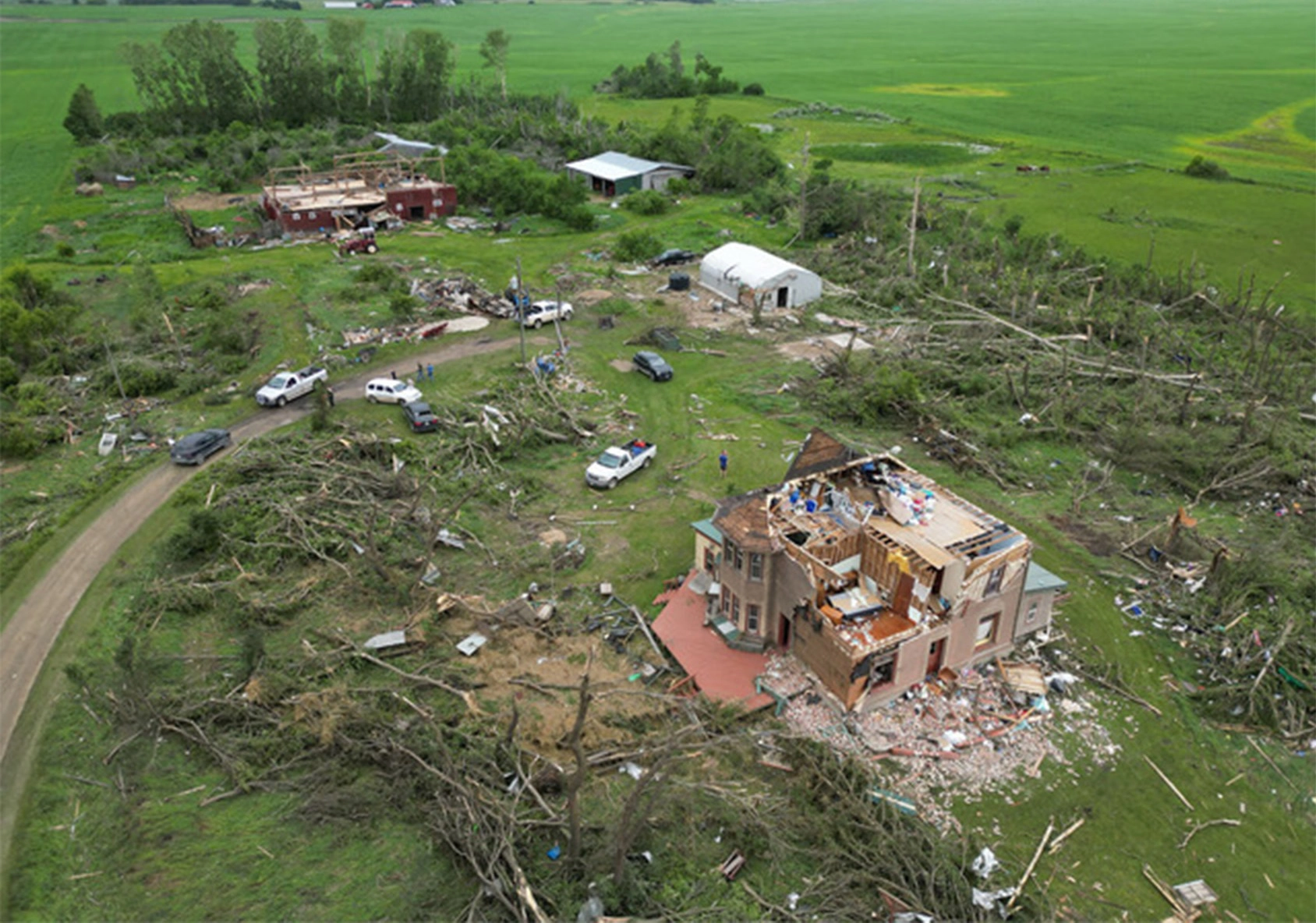
The One Building Still Standing
When an EF-3 tornado struck near Rossburn, Manitoba, Brian and Bernadine Brown lost their home and six outbuildings. The Pioneer Steel workshop they purchased in 2020 was the only building on their property that survived.
My wife and I purchased one of your buildings in 2020 to use as a workshop. We recently experienced a tornado which totally destroyed our home and six outbuildings on our 20-acre yardsite. The only building that withstood the 235 km/h winds and an F3 tornado was the workshop.
- Brian and Bernadine Brown, Rossburn, Manitoba
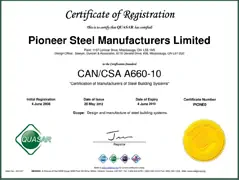
What is CSA-A660 Certification?
CSA-A660 is the Canadian standard for certifying manufacturers of engineered steel building systems, ensuring they comply with National/Provincial Building Codes. It mandates third-party audits of a manufacturer's engineering, design, and fabrication processes, providing a required "Certificate of Design and Manufacturing Conformance" for projects.
ENGINEERED FOR CANADA’S HARSHEST CLIMATES
Surviving 45+ Canadian Winters, Windstorms and More
Canada presents some of the most demanding structural environments in the world. Buildings must perform through heavy snow accumulation, high winds, freeze–thaw cycles, flooding, wildfire risk, and long-term corrosion exposure—often within the same lifecycle.
Pioneer Steel buildings are engineered specifically for these realities. Climate performance is not an add-on or optional upgrade; it is the foundation of every design decision.
This page outlines how Pioneer Steel systems are engineered to perform reliably across Canada’s most extreme and high-risk environments.
Designing for Climate, Not Averages
Many building systems are designed around average conditions. In Canada, averages are rarely sufficient.
Pioneer Steel buildings are engineered using region-specific climate data and structural requirements. Snow load, wind exposure, moisture levels, and corrosion risk are evaluated early in the design process to ensure each building is suited to its intended environment.
This approach reduces the risk of underperformance, premature wear, and costly retrofits after installation.
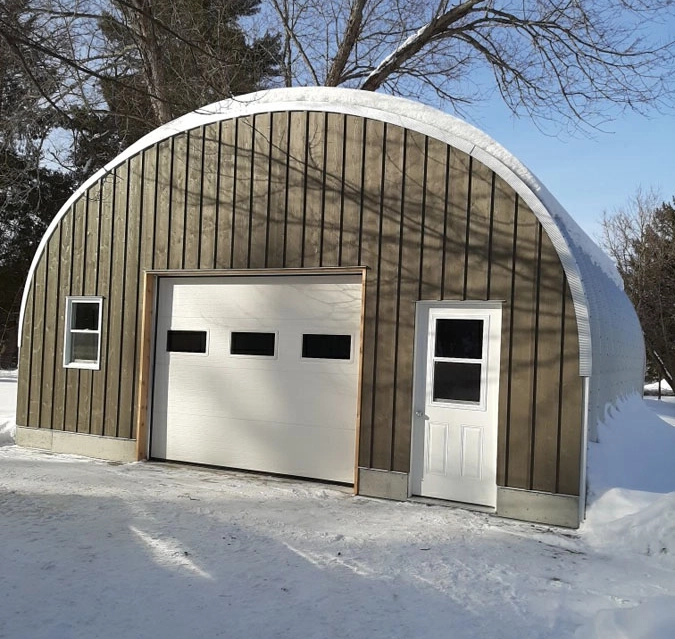
Snowbelt Performance
In snowbelt regions, structural failure is most often linked to excessive snow accumulation and ice loading. Pioneer Steel buildings are engineered to manage these conditions through both material strength and structural geometry.
Key considerations include:
- High snow-load ratings based on regional requirements
- Roof profiles designed to encourage snow shedding
- Structural members sized for prolonged load conditions
- Engineering documentation aligned with local permitting standards
This makes Pioneer Steel buildings well-suited for regions that experience repeated heavy snowfall, drifting, and freeze–thaw cycles over long winters.
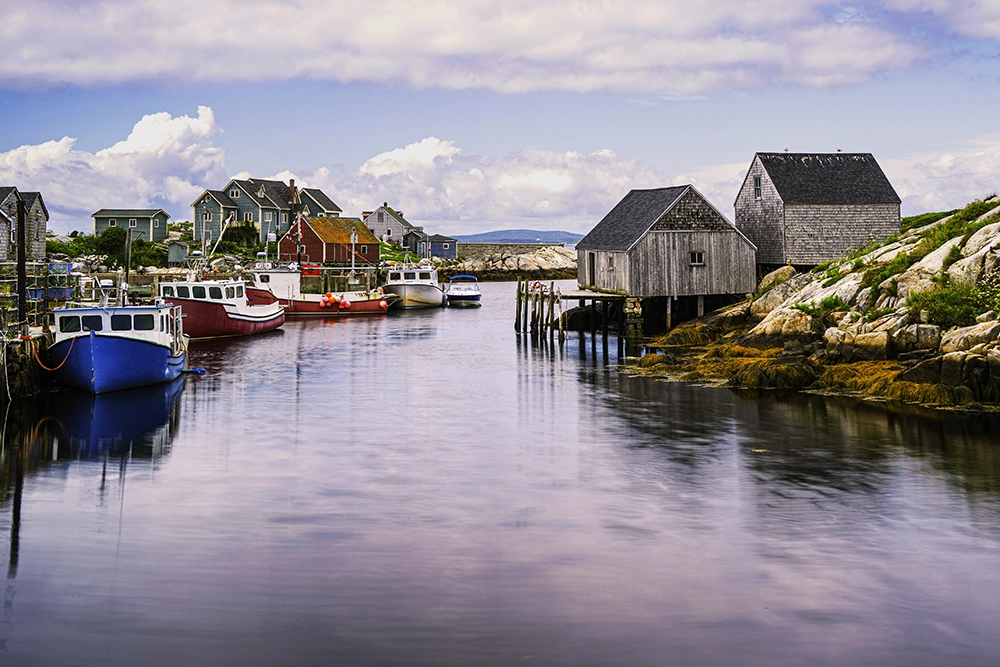
Coastal and Marine Environments
Coastal and marine environments present a different challenge: persistent moisture and salt exposure that accelerates corrosion.
Pioneer Steel buildings address this risk through material selection and protective systems, including advanced steel coatings designed for long-term resistance in corrosive conditions. These systems are commonly specified for coastal storage, marine equipment facilities, and waterfront infrastructure where untreated steel systems degrade quickly.
By engineering corrosion resistance into the building envelope, Pioneer Steel reduces the long-term maintenance burden associated with coastal exposure.
High-Wind and Hurricane-Prone Areas
Wind forces place stress not only on building walls and roofs but also on connections, foundations, and uplift resistance.
Pioneer Steel buildings are engineered to meet regional wind-load requirements, including:
- Resistance to sustained high winds
- Structural stability under gust conditions
- Engineered anchoring and connection systems
- Compatibility with site-specific foundation designs
- Structural stability under gust conditions
This makes Pioneer Steel a practical option for open terrain, prairie regions, and areas subject to severe storms or hurricane remnants.
Flood-Plain and High-Moisture Areas
Flooding and surface water exposure are increasing risks across many parts of Canada. While no building is immune to flooding, steel structures offer important advantages in flood-prone environments.
Compared with wood construction, steel does not absorb water, rot, or warp after exposure. Pioneer Steel buildings can often be cleaned, dried, and returned to service more quickly following flood events, reducing long-term disruption and replacement costs.
When combined with appropriate site planning and foundation design, steel structures provide a more resilient option for high-moisture locations.
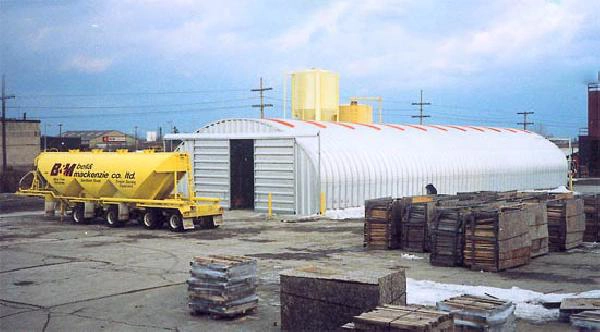
Corrosion-Heavy Agricultural and Industrial Settings
Agricultural and industrial environments often expose buildings to fertilizers, livestock byproducts, road salt, and industrial pollutants—conditions that accelerate corrosion.
Pioneer Steel buildings are frequently specified for:
- Grain and equipment storage
- Fertilizer and salt storage
- Fleet and maintenance facilities
- Industrial warehousing
- Heavy equipment storage
Engineering decisions in these applications prioritize corrosion resistance, ease of cleaning, and long-term structural reliability, helping buildings maintain performance despite aggressive environmental exposure.
Wildfire and Heat Considerations
While steel is not fireproof, it is non-combustible, offering an important advantage in wildfire-prone regions.
Pioneer Steel buildings:
- Do not contribute fuel to fires
- Are less susceptible to ember ignition than wood structures
- Can be paired with fire-resistant site planning strategies
In regions facing increasing wildfire risk, steel construction is often considered a safer structural option when combined with appropriate defensible-space planning.
Engineering Support and Compliance
Climate resilience depends not only on materials but also on engineering documentation and compliance.
Pioneer Steel provides:
- Engineering aligned with Canadian building codes
- Support for region-specific snow and wind loads
- Stamped drawings where required for permits
- Documentation to support inspections and approvals
This reduces uncertainty during planning and helps streamline approval processes in jurisdictions with strict climate-related requirements.
Additionally, Pioneer Steel is proud to meet all requirements of CSA-A660 Quality Certification for Steel Building Systems, and is Canadian Welding Bureau certified to CSA Standard 47.1 for fusion welding of steel.
Designed for Long-Term Reliability
Extreme climates accelerate wear on buildings that are not designed for them. Pioneer Steel’s approach focuses on long-term reliability rather than short-term performance.
Key benefits include:
- Reduced maintenance over time
- Predictable lifecycle costs
- Lower risk of climate-related structural failure
- Buildings that remain functional after extreme events
For owners planning decades of use—not just initial occupancy—this reliability is a critical advantage.
Built for Where Canada Is Headed
Climate patterns across Canada are becoming more volatile. Snow loads are intensifying, storms are becoming more severe, and flood and wildfire risks are expanding into new regions.
Pioneer Steel buildings are engineered with this trajectory in mind. By prioritizing durability, corrosion resistance, and structural resilience, Pioneer Steel systems are designed not only for today’s conditions, but for the realities owners are likely to face over the coming decades.